9 . What Your Parents Teach You About Counterfeit Money That Looks Real
Counterfeit Money That Looks Real: A Comprehensive Guide
Counterfeit money has actually been a considerable problem throughout history, with notorious forgers producing bills that look nearly equivalent from genuine currency. In a period where innovation continues to advance at breakneck speed, the methods used by counterfeiters have ended up being increasingly advanced, making it tough for the average person to spot fake bills. This blog site post aims to check out the numerous aspects of counterfeit money that looks real, supplying helpful info on how to acknowledge it, the legal ramifications, and what measures can be taken to protect oneself from counterfeit currency.
Comprehending Counterfeit Currency
What is Counterfeit Money?
Counterfeit money refers to fake currency produced with the intent to deceive individuals or institutions. This prohibited activity has major effects, not simply for those who produce it however likewise for the economy as a whole. The production and distribution of counterfeit notes weaken rely on the financial system and can cause considerable losses for businesses and individuals.
Why is Counterfeit Money a Concern?
Counterfeit money poses several risks, consisting of:
- Economic Impact: The presence of phonies can devalue legitimate currency.
- Trust Issues: Counterfeiting wears down public confidence in the financial system.
- Legal Consequences: Possession or distribution of counterfeit money is a criminal offense in most jurisdictions.
The Technology Behind Counterfeiting
As innovation enhances, so do the techniques used to produce counterfeit bills. Expert counterfeiters utilize high-resolution printers and advanced software application to simulate the information of genuine currency. Here's a take a look at a few of the devices and methods frequently utilized in counterfeiting:
Equipment Commonly Used in Counterfeiting
| Devices | Description |
|---|
| High-Resolution Printers | Used for printing in-depth images on high-quality paper. |
| Scanners | Employed to capture pictures of real currency for recreation. |
| Software application | Programs like Adobe Photoshop are utilized to modify and enhance images. |
| Specialty Paper | Some counterfeiters use paper that mimics the texture and feel of real currency. |
Techniques to Mimic Real Currency
- Watermarking: Some counterfeiters attempt to reproduce or perhaps produce their own watermarks.
- Microprinting: This is the small text that is challenging to replicate, typically used in real currency for security.
- Color-Shifting Ink: Some bills use ink that changes color when viewed from different angles, a feature tough to reproduce.
How to Identify Counterfeit Money
With counterfeiters getting much better at their craft, it's important to understand how to determine fake bills. Here are some ideas:
Security Features to Look For
- Watermarks: Genuine currency has watermarks that can be seen when held up to the light.
- Security Thread: This is a thin strip of plastic embedded in the bill that runs vertically.
- Color-Shifting Ink: Check for ink that alters color when seen from various angles.
- Microprinting: Look for small text that appears along the edges of the bill, which need to be sharp and clear.
- Tactile Features: Some currencies have actually raised printing for a textured feel.
Common Counterfeit Detection Methods
| Method | Description |
|---|
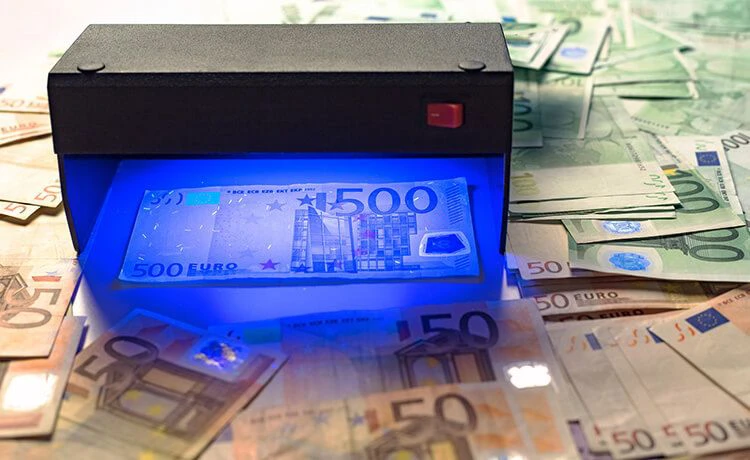
| UV Light Test | Counterfeit bills might do not have the UV features found in genuine ones. |
| Pen Test | Unique pens can discover counterfeit bills based upon the chemical composition of the paper. |
| Amplifying Glass | Helps identify tiny information and microprinting. |
| Mobile phone Apps | Some apps are designed to assist recognize counterfeit money. |
The Legal Consequences of Counterfeiting
Counterfeiting is a severe criminal activity, frequently categorized under federal law due to its implications on national currency. Here are a few of the legal consequences:
Possible Legal Consequences
- Fines: Counterfeiters can deal with heavy fines that range from thousands to millions of dollars.
- Jail Time: The sentence can differ, but a federal conviction often causes several years in jail.
- Civil Liability: In some cases, counterfeiters may deal with civil claims from those who suffered losses due to counterfeit bills.
Regularly Asked Questions
Q1: How can I inform if a bill is counterfeit?
A: Look for security features such as watermarks, security threads, color-shifting ink, and tactile features. Furthermore, use techniques like UV light tests or special pens created to find counterfeit currency.
Q2: What should I do if I get a counterfeit expense?
A: If you receive a counterfeit expense, do not try to pass it along. Instead, report it to local police and the U.S. Secret Service. They have specialized systems to deal with counterfeit cases.
Q3: Can I legally keep a counterfeit bill?
A: No, possessing counterfeit money is illegal, and you could deal with legal consequences. It's a good idea to turn it over to police.
Q4: Are there particular states where counterfeiting is more common?
A: Counterfeiting can take place in any state, however big urban locations tend to have higher incidences due to population density and economic activity.
Q5: How can organizations protect versus counterfeit currency?
A: Businesses can safeguard themselves by training workers to acknowledge counterfeit bills, purchasing counterfeit detection tools, and implementing policies for managing cash transactions.
Counterfeit money is a complex concern that continues to progress with innovation. By comprehending how counterfeiters operate and understanding the essential features to search for in genuine currency, individuals and companies can much better protect themselves from the threats related to counterfeit bills. Awareness, education, and making use of various detection methods can substantially minimize the opportunities of falling victim to this continuous economic criminal offense. Always stay alert and informed to secure your financial resources against counterfeiting dangers.